🃏 Strategy · Low Stakes

Common Leaks in Low Stakes Games

Low stakes tables aren't beaten with exotic plays — they're beaten by simply not making the mistakes everyone else at the table is making.

Common Leaks in Low Stakes Games

Low stakes games reward a different skill set than the ones you'll see discussed in high-stakes strategy content. Nobody is balancing their river bluffing frequency to the decimal point at a $0.05/$0.10 table — the money there is made and lost on much simpler things. Most players at these stakes aren't beaten by a better strategy; they're beaten by their own recurring mistakes, repeated hand after hand, session after session.

These are the leaks that show up most often, and cost the most when they do.
Preflop

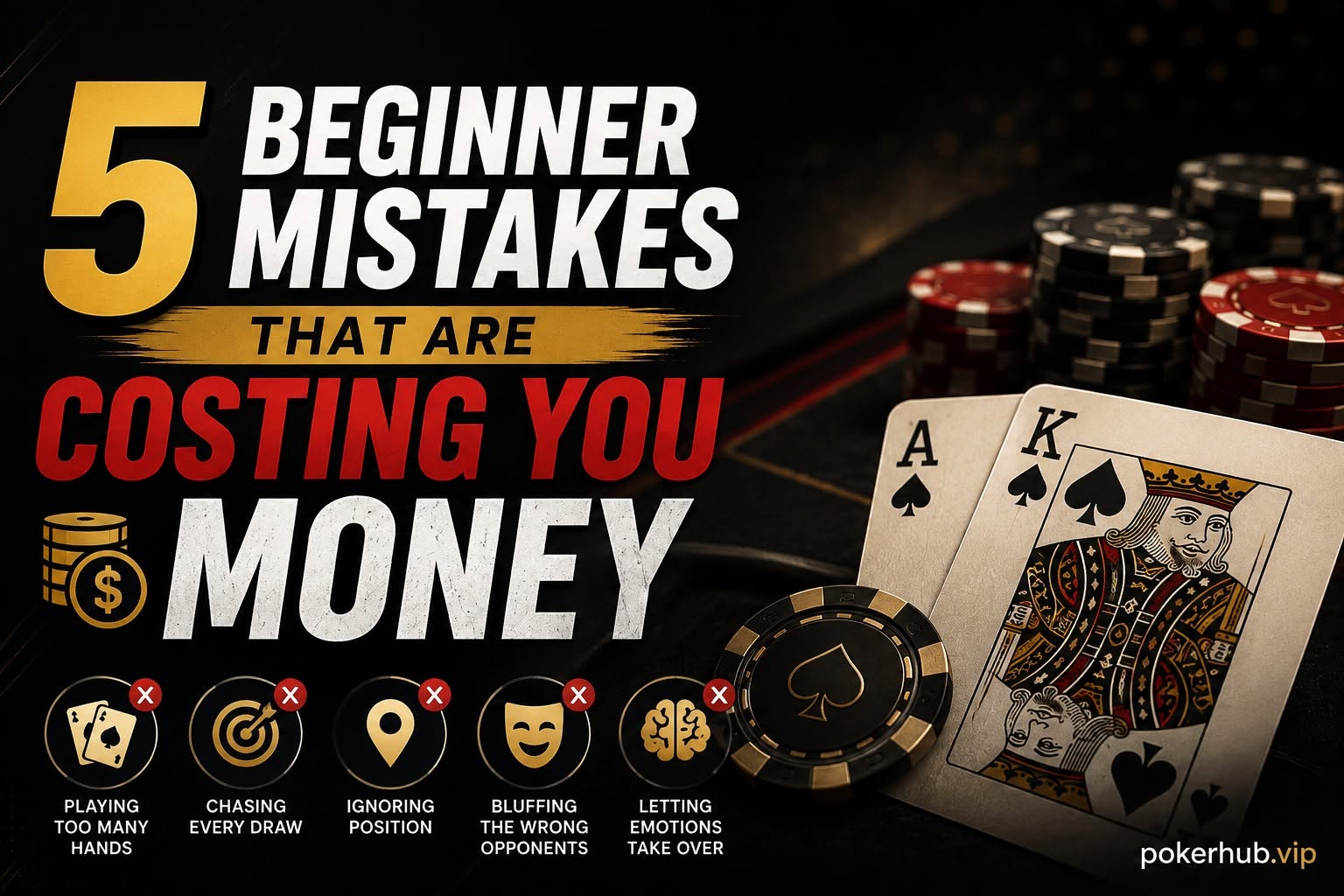
Playing Too Many Hands

This is the single most common and most expensive leak at low stakes, and it's rarely a one-time mistake — it's a standing habit. Any two suited cards, any ace, any face card starts to look playable when the table feels loose and the buy-in feels small. The problem isn't any individual hand; it's that a wider starting range means more flops missed, more marginal decisions forced, and more chips bled in spots that a tighter range would have avoided entirely.

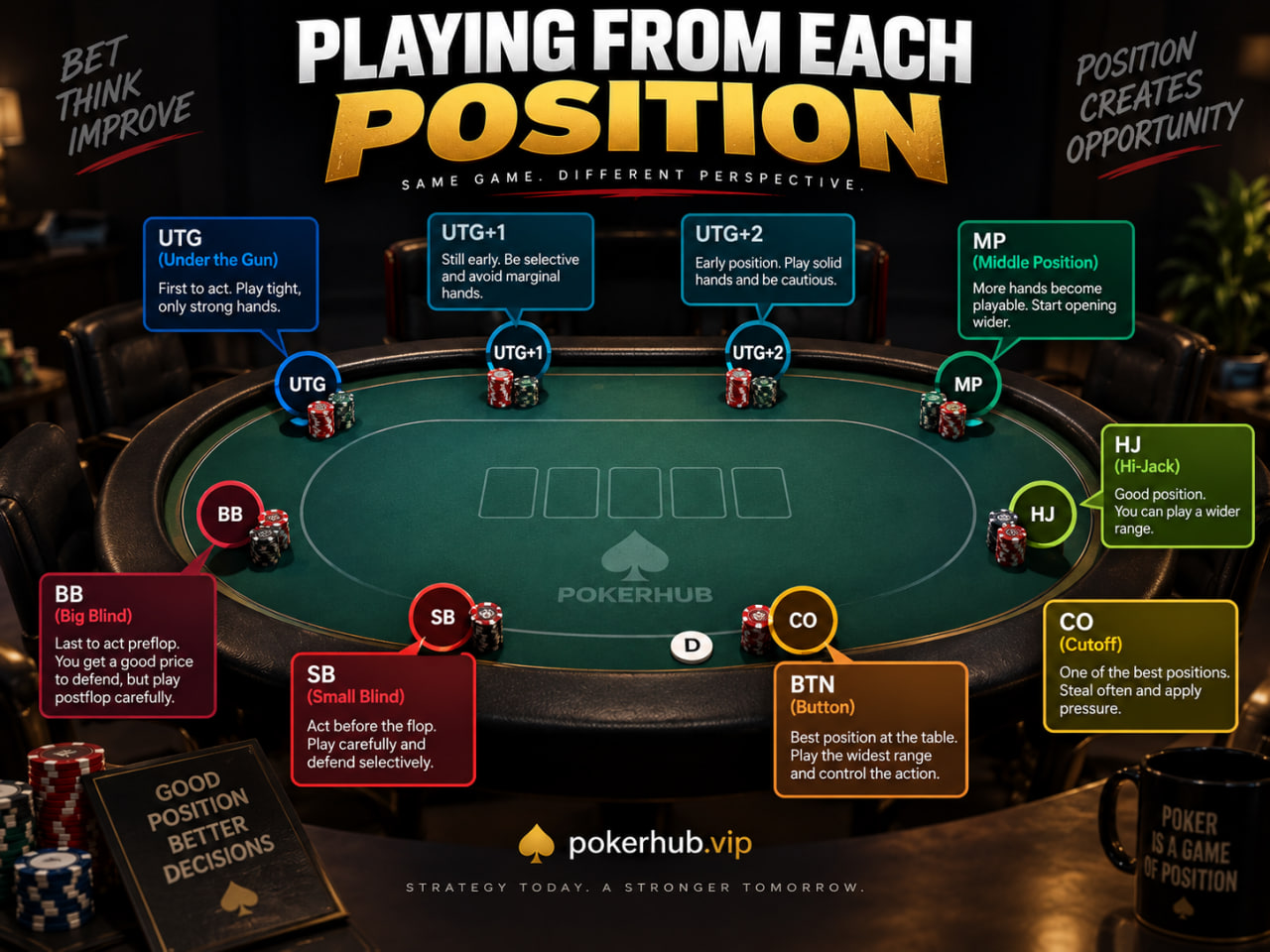
The fix isn't complicated, which is exactly why it's so often ignored: play fewer hands, and play them from positions where they're actually profitable — a topic covered in full in Playing From Each Position. Folding isn't passive. At these stakes, it's usually the single highest-EV decision available.

Postflop

Calling to Chase a Draw Without the Odds

A flush draw or an open-ended straight draw feels like a reason to call almost anything. It isn't, unless the math actually supports it. A draw needs pot odds — and ideally implied odds on top of that — to justify continuing, and low stakes players routinely call bets that require them to hit far more often than their draw actually will.

Rough rule of thumb, using the pot-odds shortcut:

  • ✓ Flush draw (9 outs) → roughly 4% per card, about 19% by the river with two cards to come
  • ✓ Open-ended straight draw (8 outs) → roughly 4% per card, about 17% by the river
  • ✓ Gutshot straight draw (4 outs) → roughly 2% per card, about 8.5% by the river

If the bet being called requires a bigger piece of the pot than the draw's real chance of completing, it's a losing call — no matter how good the hand looks when it does come in. Missing this call feels fine in the moment and costs money every single time it happens.

Hand Reading

Overvaluing Top Pair and Overpairs

Top pair, or even an overpair, feels like a made hand and gets played like one all the way to the river — regardless of how much action it's facing. At low stakes this is a bigger problem than it sounds, because players who bet big into you on a scary river usually aren't bluffing nearly as often as they are at higher stakes, where balanced ranges and thin bluffs are more common.

The leak isn't holding onto top pair — it's refusing to let it go when the betting says otherwise. A single pair is often a fine hand for a small pot and a poor one to stack off with against a big bet on a scary board. Paying attention to bet sizing and board texture, not just what you're holding, is what separates a hand you should call down with from one you should release.

Bluffing

Bluffing Players Who Never Fold

Bluffing is a core skill covered in depth in When Should You Bluff?, but the short version for low stakes is this: bluffs work by getting a fold, and a meaningful share of low stakes players simply don't fold enough to make a bluff worthwhile. Firing three streets of pure air at a calling station isn't aggression — it's a donation with extra steps.

The adjustment is straightforward once you notice the pattern: value bet these players relentlessly and stop trying to bluff them off hands they were never going to release. The fold-equity math that makes a bluff profitable simply doesn't exist against someone who calls with any piece of the board — so redirect that aggression into bigger value bets instead.

Bankroll & Mindset

Playing Above Your Bankroll and Tilting After Losses

Two leaks that feed each other. Sitting down at stakes your bankroll can't comfortably support means every downswing — even a normal, expected one — feels like a crisis instead of variance. That pressure is exactly what triggers the other half of this leak: chasing losses with bigger bets, looser calls, and more hands played than usual, all in an attempt to get back to even in the same session.

A standard bankroll guideline — roughly 20 to 30 buy-ins for the stake you're playing in cash games — exists precisely to keep a losing session from becoming a losing month. Combined with a firm stop-loss and the discipline to walk away once you hit it, this single habit prevents more damage than almost any technical adjustment could. The mental side of this is its own skill, covered in Mental Game & Tilt Control.

Position

Playing the Same Range From Every Seat

At low stakes, it's common to see the same hand opened from under the gun and from the button with no adjustment at all. Position determines how much information you'll have for the rest of the hand, and a hand that's profitable with that information advantage can easily be a loser without it. Tightening up in early position and opening up on the button and in the cutoff is one of the most reliable, mechanical edges available — no reads required, just discipline.

Ready to Put It Into Practice?

Fixing even one of these leaks puts you ahead of most of the table at low stakes.

Related